

How Electronic Stability Control Stops Winter Skids
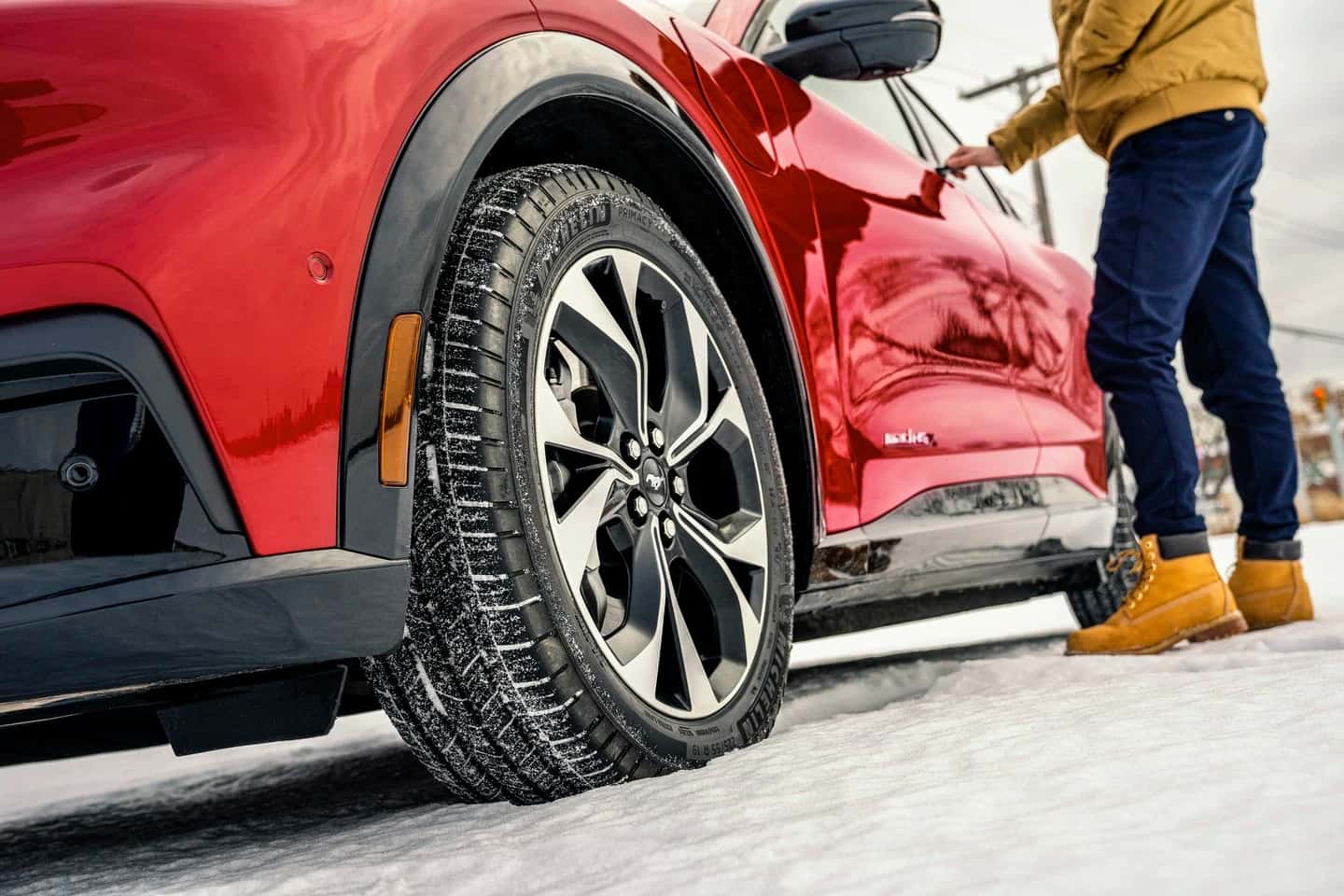
Photo Source/Copyright: FORD
Anyone who has spent time driving in the winter knows that split-second sinking feeling when the rear end of your vehicle starts stepping out on black ice. Your knuckles turn white, you start to countersteer, and then—often before your hands can even finish the motion—the chassis snaps right back in line.
Most of the time, that save isn’t just quick reflexes. It is electronic stability control doing its job quietly in the background.
What Actually Happens When Tires Lose Grip
While features like massive center touchscreens and panoramic roofs get all the attention on the showroom floor, stability tech does the unglamorous, heavy lifting when road conditions turn sour. In modern Ford vehicles, this setup works hand-in-hand with AdvanceTrac. A cluster of sensors monitors your steering angle, individual wheel speed, and lateral acceleration dozens of times every second.
Here is what actually happens when you hit a sudden patch of slush or have to swerve around debris: the vehicle’s computer notices your steering wheel is pointed one way, but the vehicle’s momentum is drifting another. Before you can even register the skid, the system selectively grabs the brake on one specific wheel—say, an outside front tire—while momentarily trimming engine throttle. That targeted drag creates rotational force that pulls the vehicle back onto your intended path, preventing a fishtail from turning into a ditch recovery.
Why Vehicle-Specific Tuning Matters
Federal regulators mandated electronic stability control on all passenger vehicles back in 2012 for good reason: data showed it drastically cut down single-vehicle rollovers and loss-of-control crashes. But tuning matters, especially across different vehicle classes.
A full-size F-150 carrying a bed full of gravel reacts very differently in a slide than a compact Ford Escape. That is why Ford calibrates these stability interventions around specific curb weights, wheelbases, centers of gravity, and selectable drive modes rather than using a generic, one-size-fits-all algorithm.
What to Ask on Your Next Test Drive
When you drop by NYE Ford to check out a new truck or SUV, don’t just focus on horsepower ratings and payload numbers. Ask our team to walk you through how the stability and traction settings adjust across different drive modes (like Slippery or Deep Snow/Sand), and what that little flashing dashboard indicator actually means when it pops on during slick commutes.
Good mechanical hardware matters, but having active safety software dialed in for local road hazards is what truly keeps you out of trouble when the weather takes an unexpected turn.
More From NYE Ford
Why Your Car Shakes After Snow Storms
Photo Source/Copyright: FORD What to Check When Your Car Shakes After a Snow Storm Nothing ruins a morning commute quite like hitting 45 mph and feeling your steering wheel vibrate like an off-balance washing machine. If your car shakes after snow storm weather sweeps across your area, your first instinct is probably to assume…
Why Families Love the Ford Explorer Sport
Photo Credit: Car and Driver If you’ve been searching for a three-row family vehicle that actually has some get-up-and-go for harsh winters, a Ford Explorer Sport is usually near the top of the list. It sits in that sweet spot for drivers who need space for kids, gear, and groceries, but really don’t…
Find The New Ford F-150 XL Today
Photo Source/Copyright: FORD Ford F-150 XL: Simple, Tough, and Ready to Work Finding a work truck that hits the sweet spot between capability and everyday comfort can be a pain. Most people just want something dependable that gets the job done without driving up the sticker price. That is where the Ford F-150 XL…