


Boost Your Drive With Smart Ford Escape MPG
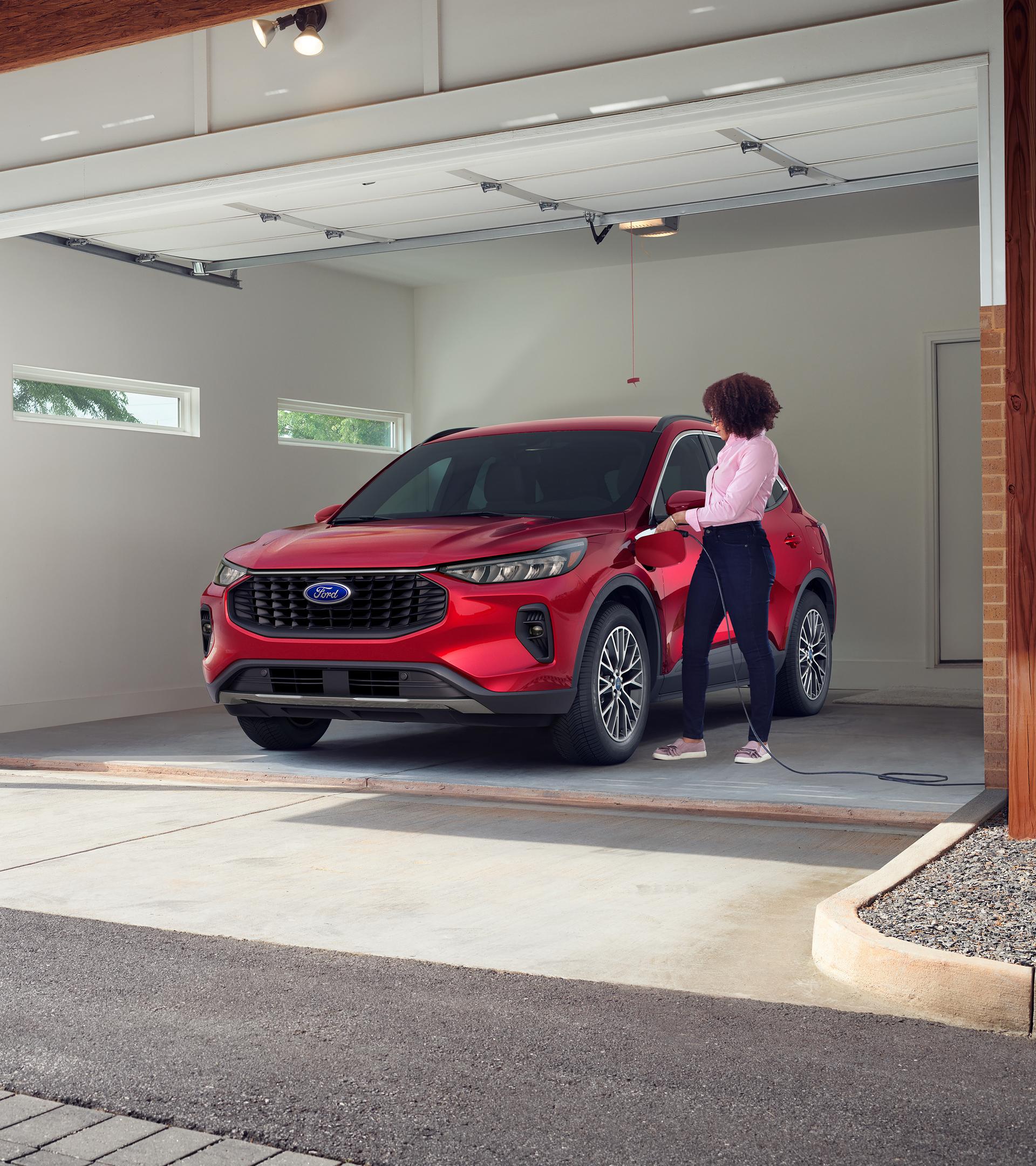
Photo Source/Copyright: Ford
Can a compact SUV truly eliminate highway fuel anxiety while keeping your travel plans entirely on schedule? Yes, and the Ford Escape proves it by delivering one of the strongest fuel-economy stories in the compact-SUV class, opening at an EPA-estimated 30 miles per gallon (MPG) combined with its standard turbocharged engine and climbing to an EPA-estimated 39 MPG combined in hybrid form. Four distinct powertrains span efficient daily commuting, added performance, and plug-in capability, which means the right configuration depends entirely on how and where you drive. The numbers below lay out exactly what each setup returns before getting into what they mean for your routine.
Ford Escape MPG at a Glance
Here are the headline efficiency figures across the lineup:
- Standard 1.5L EcoBoost: up to an EPA-estimated 27/34/30 MPG (City/Highway/Combined)
- 2.5L hybrid: an EPA-estimated 42/36/39 MPG (City/Highway/Combined)
- Plug-in hybrid: an EPA-estimated 101 MPGe combined, with roughly 37 miles of all-electric range
- Combined range: well over 550 miles on a full tank in the most efficient configurations
Ford Escape MPG by Engine and Drivetrain
Two variables move the Escape’s fuel-economy numbers: the engine and the drivetrain you choose. The table below breaks down every available combination, so you can match a powertrain to your priorities, whether that means maximum efficiency, extra power, or all-wheel-drive (AWD) capability.
| Powertrain | Drivetrain | EPA-est. City / Hwy / Combined |
|---|---|---|
| 1.5L EcoBoost | FWD | 27 / 34 / 30 |
| 1.5L EcoBoost | AWD | 26 / 32 / 28 |
| 2.0L EcoBoost | AWD | 23 / 31 / 26 |
| 2.5L Hybrid | FWD or AWD | 42 / 36 / 39 |
| 2.5L Plug-In Hybrid | FWD | 101 MPGe / 40 combined |
The hybrid posts the same ratings whether you select front-(FWD) or all-wheel drive, while the 2.0L EcoBoost pairs only with all-wheel drive, and the plug-in hybrid comes exclusively with front-wheel drive.
What the Numbers Mean for Your Drive
Each powertrain leans toward a different kind of driver. The summary below pairs every engine with its rating and the trade-off it makes, so the strongest pick comes down to where you spend most of your miles.
- 1.5L EcoBoost → the efficient starting point, with strong highway numbers for everyday commuting
- 2.0L EcoBoost → trades some economy for 250 horsepower and standard all-wheel drive
- 2.5L hybrid → raises efficiency and output together, posting the lineup’s best combined rating
- 2.5L plug-in hybrid → adds electric-only driving for short trips, then runs as a hybrid on longer ones
Drivers who cover long stretches of highway will appreciate how far the standard engine can go on a tank of gas. At the same time, those who want more pull for merging and passing can step up to the 2.0L EcoBoost without a steep efficiency penalty.
The hybrid is the value sweet spot for mixed city-and-highway driving, returning the highest combined rating in the lineup with no change to your routine and no plug required.
The plug-in hybrid suits drivers with short, predictable commutes who can charge regularly and want to cover many of their daily trips on electricity alone. Buyers who rarely venture far from home but log steady daily mileage save the most over time with the electrified options.
For anyone weighing all-wheel drive, the small efficiency gap between the front- and all-wheel-drive versions of the standard engine is often worth it for the added confidence in rain, snow, or on loose surfaces.
Range on a Full Tank
Strong fuel economy pays off most when it’s paired with a usable driving range. Across the lineup, the Escape delivers well over 550 miles of combined range in its most efficient configurations, so longer trips mean fewer stops at the pump. That distance comes from pairing efficient powertrains with a generously sized fuel tank, which keeps even the higher-output configurations practical for commuters and travelers alike.
Highway-heavy drivers in particular will notice the difference on road trips. Exact range varies with engine, drivetrain, and driving conditions, but every version is built for confident distance driving and dependable everyday use.
Frequently Asked Questions
A few questions come up consistently when shoppers compare Escape powertrains.
Q: How efficient is the Ford Escape with its standard engine?
A: With the standard 1.5L EcoBoost engine and front-wheel drive, the Escape earns an EPA-estimated 27/34/30 MPG (City/Highway/Combined). Adding all-wheel drive shifts that to an EPA-estimated 26/32/28 MPG, a small trade for added traction in poor weather and on loose surfaces.
Q: Is the Ford Escape Hybrid worth it over the gas engine?
A: For most drivers, yes. The 2.5L hybrid returns an EPA-estimated 42/36/39 MPG (City/Highway/Combined), well above the standard gas engine, and it drives like any other Escape with no plug-in required. If your miles skew toward city and stop-and-go traffic, the hybrid’s advantage only grows.
Q: How far can the Escape Plug-In Hybrid travel on electricity alone?
A: The plug-in hybrid offers an EPA-estimated 37 miles of all-electric range, enough to cover many daily commutes without using any gas. Once the battery is depleted, it runs as a conventional hybrid at an EPA-estimated 40 MPG combined, so longer trips require no special planning.
Find Your Ideal Ford Escape Today
Ready to find the most efficient Escape for your routine? Browse our inventory online or schedule a test drive and compare powertrains.
More From NYE Ford
How Electronic Stability Control Stops Winter Skids
Photo Source/Copyright: FORD Anyone who has spent time driving in the winter knows that split-second sinking feeling when the rear end of your vehicle starts stepping out on black ice. Your knuckles turn white, you start to countersteer, and then—often before your hands can even finish the motion—the chassis snaps right back in line….
Why Your Car Shakes After Snow Storms
Photo Source/Copyright: FORD What to Check When Your Car Shakes After a Snow Storm Nothing ruins a morning commute quite like hitting 45 mph and feeling your steering wheel vibrate like an off-balance washing machine. If your car shakes after snow storm weather sweeps across your area, your first instinct is probably to assume…
Why Families Love the Ford Explorer Sport
Photo Credit: Car and Driver If you’ve been searching for a three-row family vehicle that actually has some get-up-and-go for harsh winters, a Ford Explorer Sport is usually near the top of the list. It sits in that sweet spot for drivers who need space for kids, gear, and groceries, but really don’t…