


What Ford Dashboard Warning Lights Really Mean
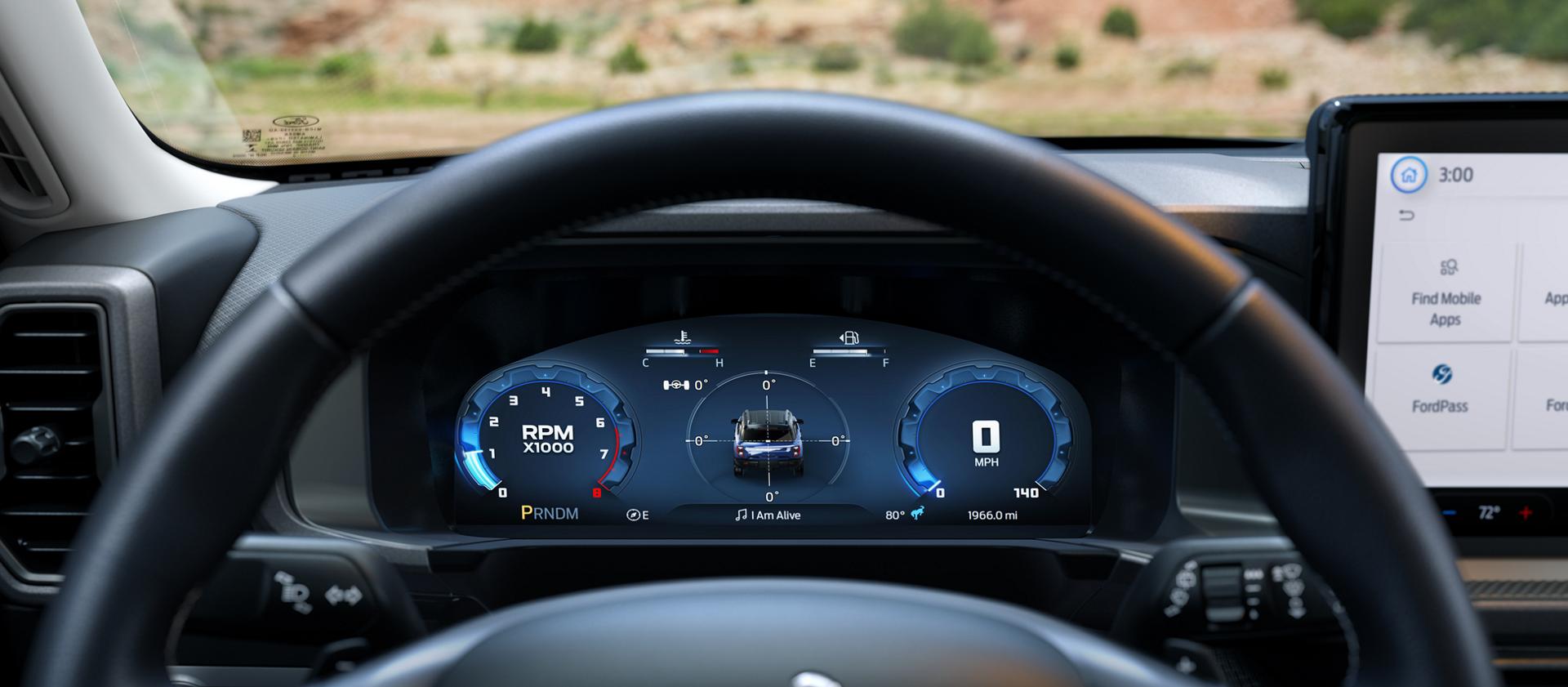
Photo Credit: Ford
Modern Ford vehicles feature advanced instrument clusters designed to communicate the health and performance of your vehicle in real time. Knowing how to read these alerts ensures you stay safe behind the wheel and protects your engine from costly damage. This comprehensive guide breaks down the most common Ford dashboard symbols and meanings at NYE Ford so you can drive with complete confidence and peace of mind.
Understanding Dashboard Warning Light Colors and Severity
Ford utilizes a universal color-coded system across its lineup to indicate the urgency of any detected issue. Similar to traffic signals, the hue of the icon instantly communicates whether you need to pull over immediately or simply plan for an upcoming service visit.
- Red: Critical alerts requiring immediate attention to avoid severe vehicle damage or safety hazards.
- Amber or Yellow: Cautionary warnings signaling a system malfunction, low fluid level, or item requiring maintenance soon.
- Green or Blue: Informational indicators letting you know an active driver-assist feature or lighting setting is operating.
Critical Red Warning Lights
Red symbols demand immediate action because they highlight severe mechanical or safety failures. When a red light illuminates on your instrument cluster, safely pull off the road, turn off the engine, and assess the situation before driving any further.
- Oil Pressure Warning: Looks like a dripping oil can; indicates dangerously low oil pressure that can destroy the engine within minutes.
- Engine Coolant Temperature: Displays a thermometer immersed in fluid; signals that the engine is severely overheating.
- Brake System Warning: Shows an exclamation point inside a circle; alerts you to low brake fluid or a hydraulic system failure.
- Battery Charging System: Features a red battery icon; warns that the alternator is no longer charging the electrical system.
Amber and Yellow Warning Lights
Amber and yellow indicators act as early warning systems for issues that need attention but do not pose an instant safety emergency. While you can typically continue driving home or to a service bay, ignoring these warnings can lead to larger mechanical repairs down the line.
- Check Engine Light: Appears as an engine outline; points to an emissions, sensor, or ignition system fault (a flashing light indicates a severe misfire).
- Powertrain Fault: Displays as a wrench icon; signals an issue within the engine, transmission, or automatic 4WD system.
- Tire Pressure Monitoring System (TPMS): Looks like a horseshoe with an exclamation mark; notifies you that one or more tires are below safe inflation levels.
- Anti-Lock Braking System (ABS): Shows “ABS” inside a circle; means standard brakes still function, but anti-lock emergency braking is disabled.
Informational Indicator Lights
Informational indicators confirm that specific driving modes, convenience technologies, or lighting systems are currently active. These symbols carry no threat to your vehicle and are meant strictly for driver awareness during routine trips.
- High Beam Indicator: A blue headlight icon with horizontal lines showing high-beam headlights are on.
- Adaptive Cruise Control: Shows a green vehicle with speed lines confirming automated distance tracking is engaged.
- Lane-Keeping Assist: Displays green lane markings showing the vehicle is actively detecting road lines.
Why Professional Help Matters
Deciphering modern vehicle diagnostics requires specialized expertise and factory-grade tools. While identifying basic icons helps you make safe driving decisions on the road, scheduling an official diagnostic check ensures the underlying issue is properly identified and repaired using genuine OEM parts.